Hockey Performance Training Kamloops BC
Improve speed, strength, and endurance
Young hockey players in Kamloops need more than ice time to reach their potential. Speed, power, and endurance don’t just come from practice. They come from focused training that builds strength, fixes weak spots, and prepares athletes for the demands of competitive hockey.
Hockey performance training targets the specific movements that matter on the ice. Programs include explosive starts, skating mechanics, and injury prevention drills that help players at every level. Whether your child plays house league or rep hockey, the right training makes a real difference in how they perform during games.
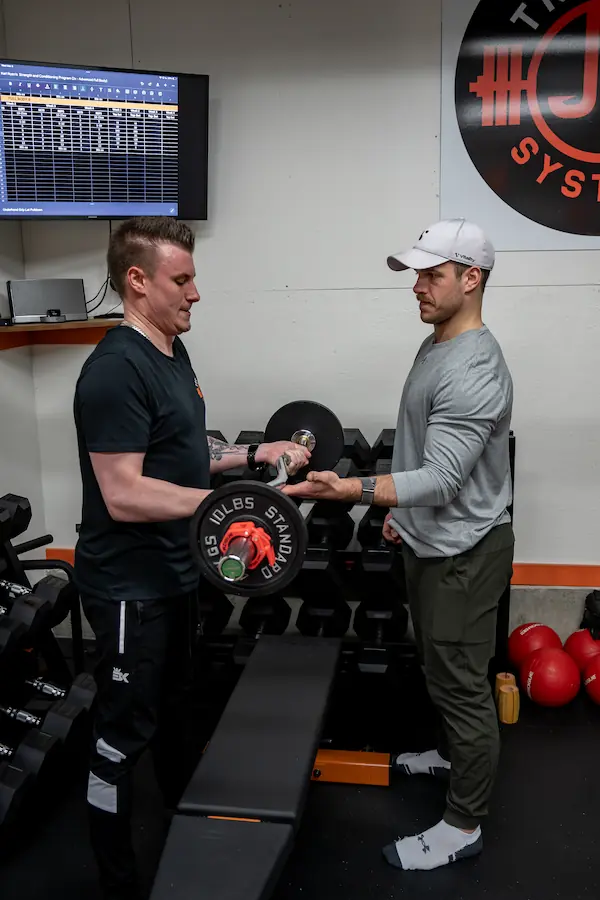
JR Training Systems offers personalized hockey training designed for Kamloops athletes. Jake Richardson, a certified personal trainer who played high-level lacrosse, understands what it takes to train for performance and avoid injury. He works with players year-round to build strength, speed, and confidence. Training sessions focus on measurable progress, not generic workouts.
Book a free assessment to identify strengths, address weaknesses, and build a custom plan that fits your child’s position and skill level.
How Hockey Performance Training Improves Speed and Power for Kamloops Players
Young hockey players need explosive leg strength to compete at higher levels. The difference between a good player and a great one often comes down to first-step quickness, stride power, and how well they control their edges during tight turns.
Training at JR Training Systems focuses on building the strength and explosiveness that translates directly to the ice. Exercises include box jumps for vertical power, sled pushes for acceleration, and lateral lunges to strengthen the muscles used in crossovers and quick direction changes. These movements target the glutes, quads, and core, which are the foundation of every skating stride.
Key exercises for hockey speed and power
- Box jumps to build explosive vertical power
- Sled pushes to improve acceleration off the line
- Lateral lunges to strengthen crossover movements
- Core stability work to improve balance on skates
- Single-leg exercises to fix strength imbalances
Kamloops winters allow year-round ice access, so off-ice training works alongside practice schedules without replacing them. Athletes train twice a week to build strength while still skating with their teams. Progress gets tracked using timed sprints, strength benchmarks, and movement assessments that show exactly where improvements happen.
Most players see faster acceleration and better endurance within six to eight weeks. Parents notice the difference during games when their child keeps up with faster opponents or maintains energy through the third period.
What to Expect During Your First Hockey Training Session in Kamloops BC
The first session at JR Training Systems starts with a movement assessment and a conversation about goals. Jake evaluates how your child moves, their balance, and their current fitness level. This helps him understand where the athlete is starting from. This isn’t a hard workout. It’s a chance to see how the body moves and identify areas that need attention.
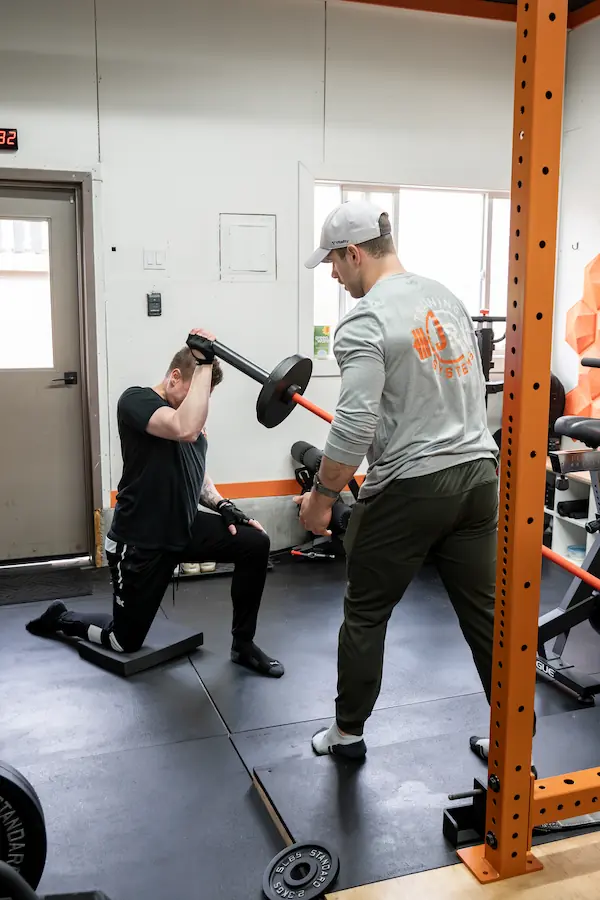
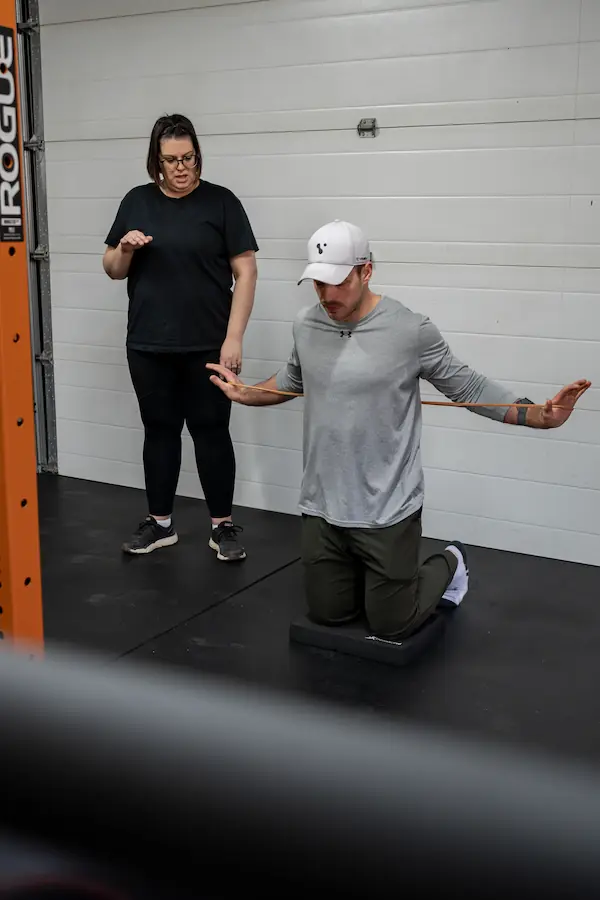
Sessions take place at the private gym facility in Kamloops. Athletes train one-on-one or in groups of two. Expect 10 to 15 minutes of warm-up and mobility work to prepare the body for training. The workout includes three to four hockey-specific drills based on the player’s position and experience level.
Forwards might focus on quick bursts and conditioning for line changes. Defensemen work on lateral strength and core stability. Goalies need hip mobility and explosive push-off power, so their drills look different from skaters.
The session runs 45 to 60 minutes total. Jake explains what each exercise does and how it connects to performance on the ice. The goal is to make training clear, not confusing.
Why Off-Season Training Helps Kamloops Hockey Athletes Stay Sharp Year-Round
The off-season is the best time to build strength without the fatigue that comes from games and practices. Many Kamloops players lose conditioning between April and September. This means they start the next season behind where they finished.
Training during the warmer months maintains muscle memory and improves weaknesses before tryouts. Programs focus on speed, power, and injury prevention when there’s no pressure from a game schedule. Athletes have time to work on areas that get overlooked during the season, like hip mobility or core strength.
JR Training Systems offers flexible scheduling for summer and spring sessions. Training doesn’t interfere with family vacations or other activities. Sessions are scheduled around what works for the athlete, not a rigid program calendar.
Athletes who train through the off-season return to the ice stronger and more confident. They skate faster, handle contact better, and recover quicker between shifts. Coaches notice the difference during tryouts.
How JR Training Systems Designs Custom Programs Based on Position and Skill Level
Not every hockey player needs the same training. Forwards need quick bursts and high stamina for line changes. Defensemen benefit from lateral strength and core stability drills that help them hold the blue line and win battles in the corners. Goalies require hip mobility and explosive push-off power to move across the crease.
Each program at JR Training Systems is tailored to age, experience, and team goals. A 10-year-old house league player doesn’t train the same way as a 16-year-old rep forward. Jake adjusts intensity based on weekly progress and how the athlete responds to training.
Training changes as the season progresses. Off-season programs focus on building strength and power. In-season programs shift to maintenance and recovery to keep athletes healthy without adding fatigue.
Hockey Training Focus by Position
| Position | Primary Training Focus | Key Exercises |
|---|---|---|
| Forwards | Quick bursts, stamina, acceleration | Sled pushes, sprint intervals, conditioning circuits |
| Defensemen | Lateral strength, core stability, balance | Lateral lunges, single-leg work, anti-rotation core drills |
| Goalies | Hip mobility, explosive push-off, flexibility | Hip flexor stretches, lateral bounds, explosive starts |
Most athletes train one-on-one. Groups of two work well for teammates or friends who want to train together. One-on-one sessions give athletes full attention, which works best for building proper movement patterns and addressing specific weaknesses. Groups of two keep the session moving while still allowing for personalized coaching.
Jake’s background in high-level lacrosse gives him a deep understanding of what it takes to train athletes for explosive movements and injury prevention. Lacrosse and hockey share similar demands: quick direction changes, explosive power, and the need to stay healthy through long, physical seasons.
Common Strength Gaps That Slow Down Hockey Players in Kamloops
Weak glutes reduce stride power and cause slower starts. Many young players rely on their quads to push off. This creates an unbalanced skating stride and limits speed. Glute strength is critical for explosive acceleration and maintaining power through each stride.
Poor core stability leads to balance issues during tight turns. Players who can’t stabilize their core lose speed when they change direction or take contact. A strong core connects upper and lower body movements, which improves skating efficiency.
Limited hip mobility restricts skating range and increases injury risk. Tight hips make it harder to get into a low skating position. They also reduce the power generated from each stride. Over time, this tightness leads to problems that cause groin strains or hip flexor injuries.
Many young players skip leg strength training and rely only on ice time. Skating alone doesn’t build the strength needed to compete at higher levels. Off-ice training fills the gaps that ice time can’t address.
Jake identifies these gaps through movement screens during the first session. Targeted exercises fix imbalances and improve performance on the ice. Athletes learn proper movement patterns that carry over to games and reduce the risk of injury.
How Proper Training Reduces Injury Risk for Young Athletes in BC
Hockey injuries often happen from overuse or poor movement patterns. Long seasons, multiple practices per week, and tournament schedules put stress on growing bodies. Without proper preparation, that stress leads to strains, sprains, and more serious injuries.
Strengthening stabilizer muscles protects knees, hips, and ankles. Training includes balance drills and controlled deceleration techniques. These teach athletes how to stop and change direction safely. These movements build the small muscles around joints that prevent injuries during contact or awkward landings.
Kamloops players face long seasons that run from September through March, so injury prevention is critical. Missing games due to injury affects development and team performance. Proper training keeps athletes on the ice.
Jake’s experience with injury recovery and prevention comes from his lacrosse career. He learned firsthand how to manage the physical demands of a contact sport. That knowledge translates directly to hockey training, where staying healthy matters as much as speed and strength.
Training doesn’t just make athletes stronger. It makes them more durable.
Proper warm-ups and cool-downs reduce muscle strains. JR Training Systems teaches athletes how to prepare their bodies before training and how to recover afterward. Jake also teaches safe lifting form and recovery habits that athletes can use at home or during team practices.
Frequently Asked Questions
Sessions run 60 minutes, including warm-up and cool-down. This gives enough time to work on strength, power, and mobility without causing too much fatigue.
Yes, programs are designed for all skill levels, from house league to rep teams. Jake adjusts exercises based on age and experience to make sure every athlete trains safely and effectively
Jake Richardson is a certified personal trainer who played high-level lacrosse and understands the demands of contact sports. Programs are personalized, progress is tracked, and results are measured. Training takes place in a private gym facility with one-on-one or group sessions for two athletes.
Most athletes notice gains in strength and quickness within six to eight weeks. Progress depends on training frequency, effort, and how well the athlete applies what they learn during games and practices.
Hockey training focuses on the specific movements and energy systems used during games. Exercises target explosive power, lateral strength, and endurance for repeated high-intensity shifts. Regular fitness training doesn't address these sport-specific needs.
Training improves the strength, balance, and body control needed to perform skills more effectively. Athletes develop better core stability for stronger shots and improved balance for tighter turns with the puck. Skill development still happens on the ice.
Progress is tracked through timed sprints, strength benchmarks, and movement assessments. Jake records baseline measurements during the first session and retests every four to six weeks to show improvement.
JR Training Systems works with athletes starting around age 7 through univerisity. Younger athletes focus on basic strength and movement patterns. Older athletes work on power, speed, and advanced training techniques.
Two to three sessions per week during the off-season builds strength and power effectively. During the season, one to two sessions per week maintains strength without adding too much fatigue.
Ready to start your Hockey Performance training journey in Kamloops?
Contact JR Training Systems today to book your first session. We’ll assess your movement, understand your goals, and build a personalized plan that actually works for your body and life.